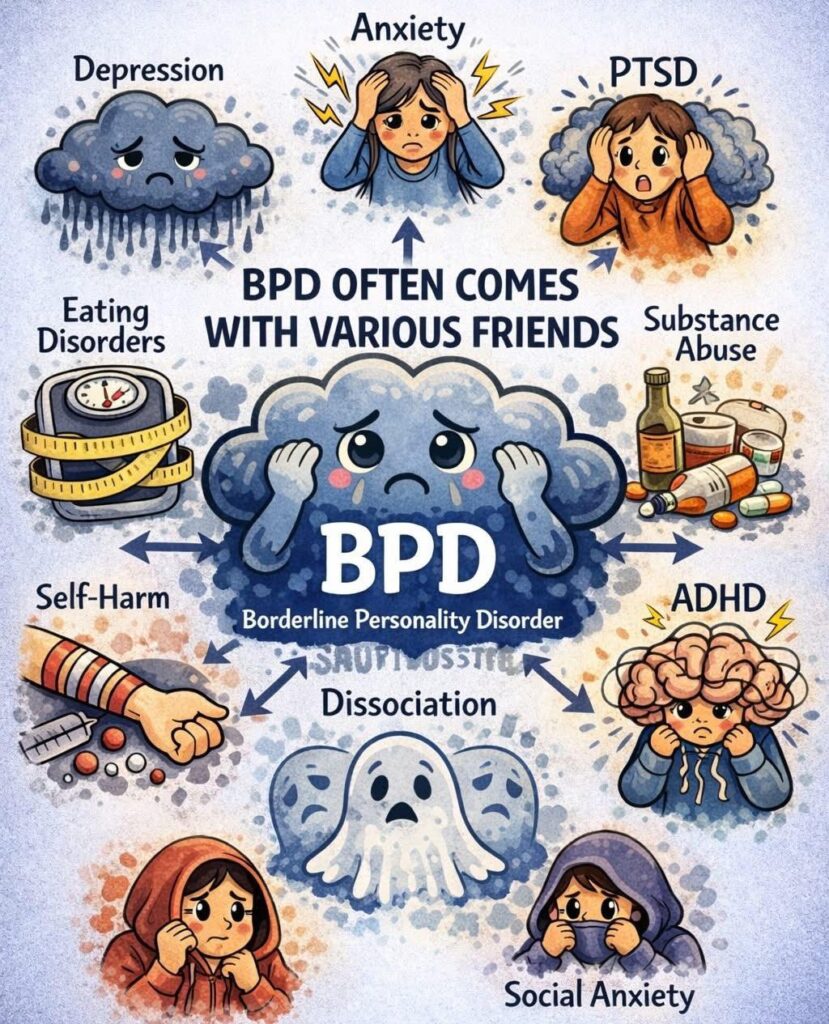
What it is like to have BPD
Patients seeking mental health treatment expect confidentiality, discretion, and security. Instead, thousands of Mindpath Health patients found their personal and medical information exposed — not once, but twice in the same year.
In 2022, Mindpath Health experienced two separate data breaches involving compromised employee email accounts, raising serious concerns about cybersecurity practices, employee training, and patient data protection.
For a behavioral health provider, the consequences of such failures are particularly severe, as the information involved often includes the most sensitive details of a person’s life.
According to publicly available court filings and reports, unauthorized access to Mindpath Health email accounts occurred in:
• March 2022
• June 2022
These incidents were separate events, yet both resulted in unauthorized access to patient information stored within employee email systems.
A second breach so soon after the first raises serious questions:
Cybersecurity experts widely agree that repeated compromises often point to weaknesses in internal security controls or insufficient staff awareness training.
The breaches reportedly exposed sensitive patient information, including combinations of:
Unlike a simple email leak, this type of data exposure can create long-term risks, including identity theft, insurance fraud, and privacy harm.
Mental health information, in particular, carries lifelong sensitivity.
Once exposed, such information cannot simply be changed or replaced.
Following disclosure of the breaches, lawsuits were filed alleging Mindpath Health failed to implement adequate safeguards to protect patient data.
The litigation alleged shortcomings including:
These lawsuits were eventually consolidated into a class action case, resulting in a proposed settlement intended to compensate affected individuals for damages and risks created by the breaches.
Healthcare organizations hold some of the most sensitive data possible. Patients trust providers not only with their health but also with personal details they might never share elsewhere.
When security fails — especially more than once — that trust is damaged.
Data breaches are not merely technical incidents; they affect real people facing identity theft risks and the fear that private medical information may circulate beyond their control.
The Mindpath incidents highlight a broader challenge facing healthcare providers nationwide: cybersecurity must be treated as essential infrastructure, not an optional investment.
Protecting patient privacy requires:
When these protections fall short, patients pay the price.
For thousands of Mindpath patients, the breaches were not abstract technical events. They represented the exposure of deeply personal information entrusted to a healthcare provider.
The fact that it happened twice in a short span only intensifies concerns over whether adequate protections were in place.